Physical AI for kids. They build it. Then they teach it to think.
Not another coding class. Your child builds a flock of robot birds, then teaches each one to see, decide and move. Coding is one of the tools, not the subject.
First they build the robot. Then they teach it to think.
Physical AI is AI with a body. It sees, decides and moves in the real world, like the AI in robots and self-driving cars. Your child learns it with their hands.
Build it
Kids snap together motors and sensors. Every week starts with something real on the table.
Teach it
They give the robot rules, then examples, then rewards, and watch what it does. Those are the ways a machine gets smart.
Break it and fix it
When the robot gets it wrong, kids work out why and try another way. That is the real skill.
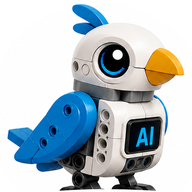
Every robot they build and teach is a bird. Meet the flock.
Four robot birds. Your child builds them and teaches them.
Each bird is a real robot and a different kind of AI. Your child meets them one at a time and teaches each one a new skill.
Together, the four birds are Flock Rescue. Your child is the Flock Leader.
Every week someone in the city of Featherton calls for help. The birds have the powers, but they can't do the job until your child teaches them how. The team motto: "We don't get angry. We get smart."
- STEP 1The callSomeone needs help.
- STEP 2Wings out!Pick the bird. Build.
- STEP 3 · THE LESSONTeach itYour child teaches the skill.
- STEP 4Saved!Or fix it and try again.
- STEP 5Feather badgeEarned for the rescue.
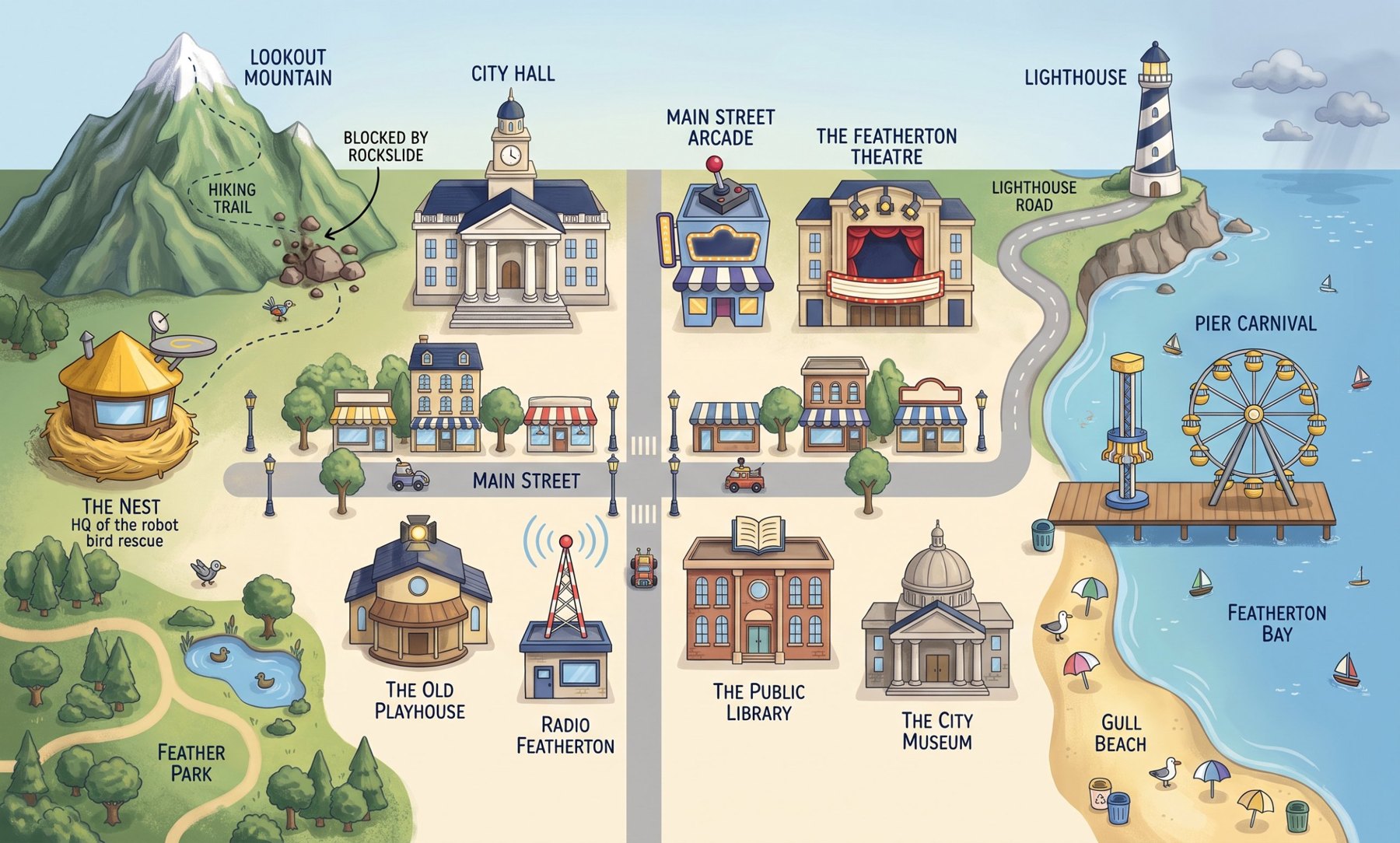
Sixteen calls for help across Featherton.
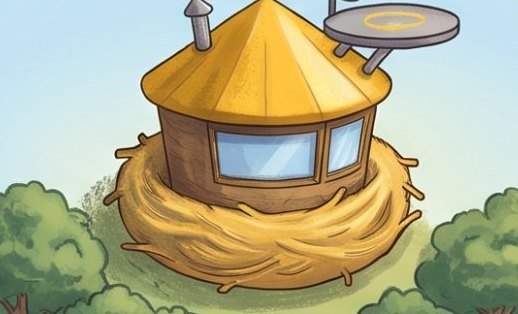
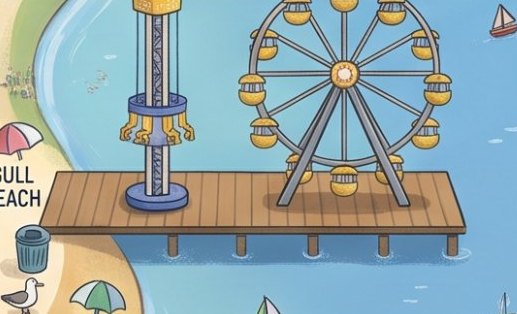
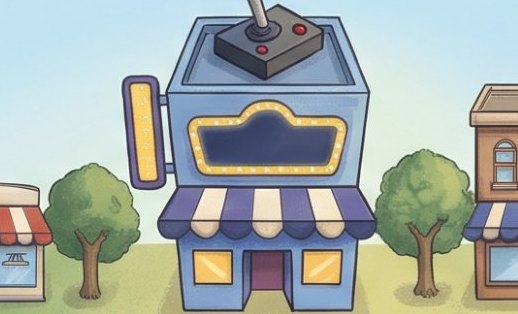
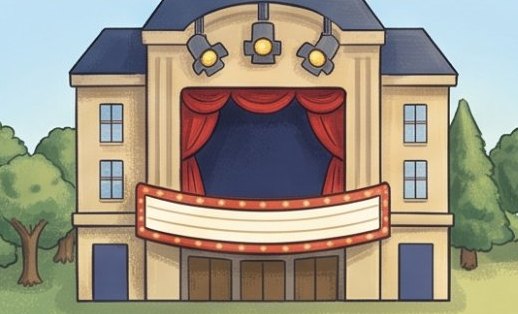
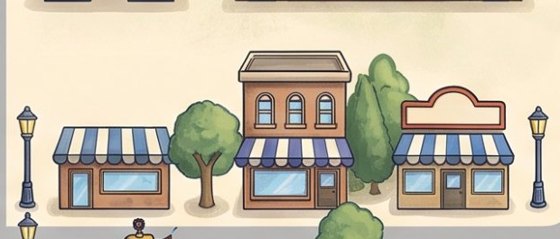
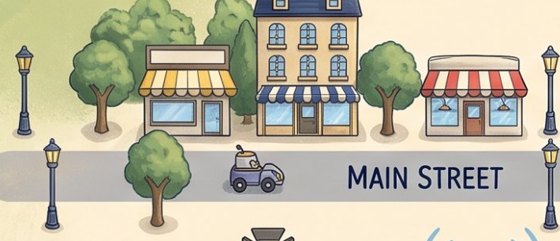
Flock Rescue works in Featherton, a busy little seaside city. When something goes wrong anywhere in town, the call comes to the Nest. Each pin is one mission. Open a bird's list below to see each mission, the computer science (CS) or AI concept it uses, and the idea your child will explain to you that night.
- STAGE 1 · WEEKS 1–4Teach with rulesBrick follows the rules your child writes.Sequence · events · loops · if-then
- STAGE 2 · WEEKS 5–8Teach with examplesThe rules run out. Brick learns from examples instead.Machine learning · training data · bias · testing
- STAGE 3 · WEEKS 9–11Borrow a brainPebble uses AI that others trained on millions of examples.Pre-trained models · generative AI · guardrails
- STAGE 4 · WEEKS 12–14Teach with rewardsWobble learns by trying, with points for good tries.Reinforcement learning · reward design · simulation
- STAGE 5 · WEEKS 15–16Take chargeYour child picks the right AI for a real problem, then explains it.Choosing the right AI · explaining AI
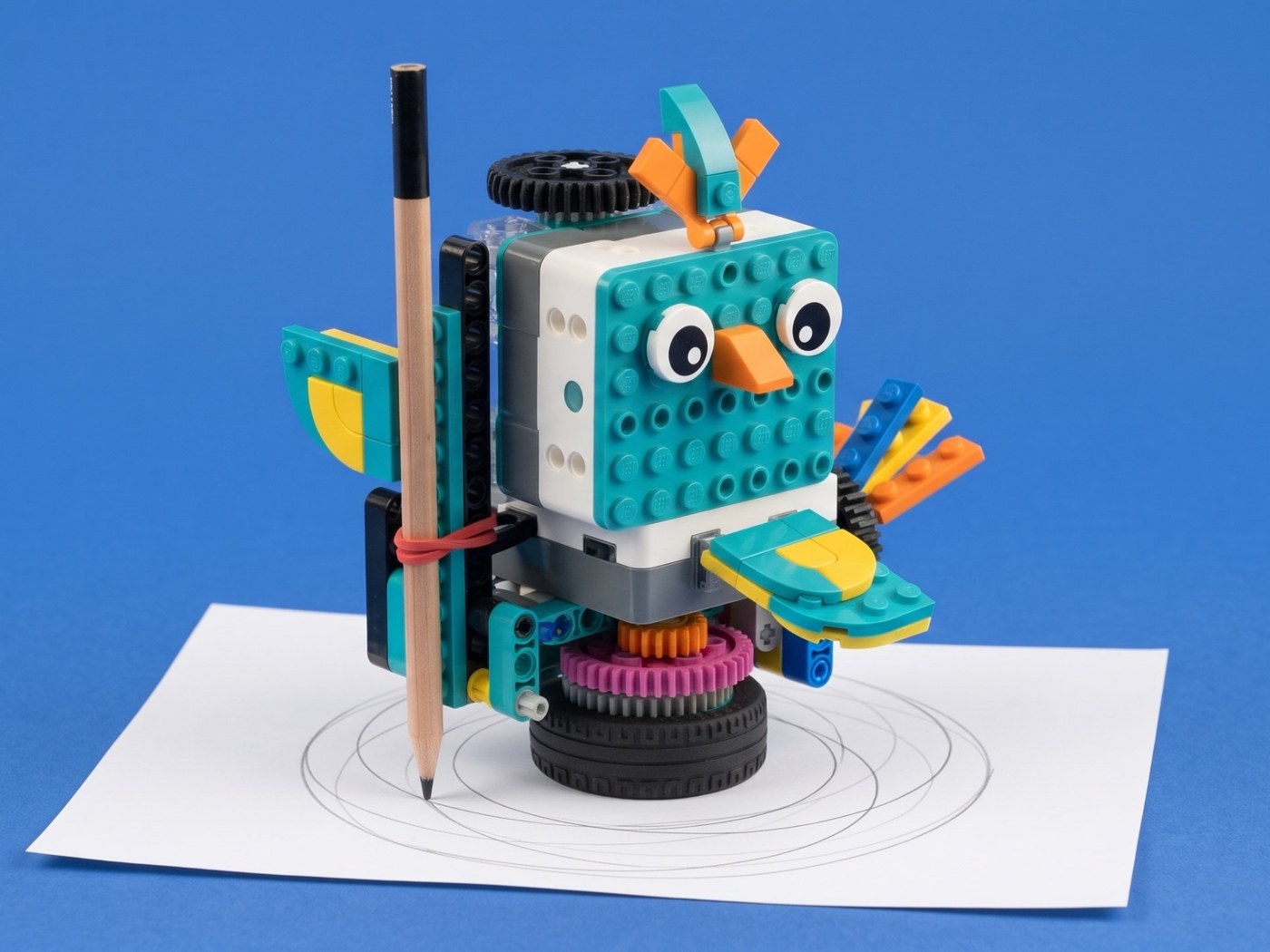
Brick builds whatever the rescue needs.
Brick is built from the LEGO Education Computer Science & AI kit. On each mission it becomes a new machine: a waiter, a carnival ride, an arcade game, a dancer, a guard. First the kids give Brick rules. Then the rules run out, and they teach it with examples instead.
Mission by mission: Brick's 8 rescues

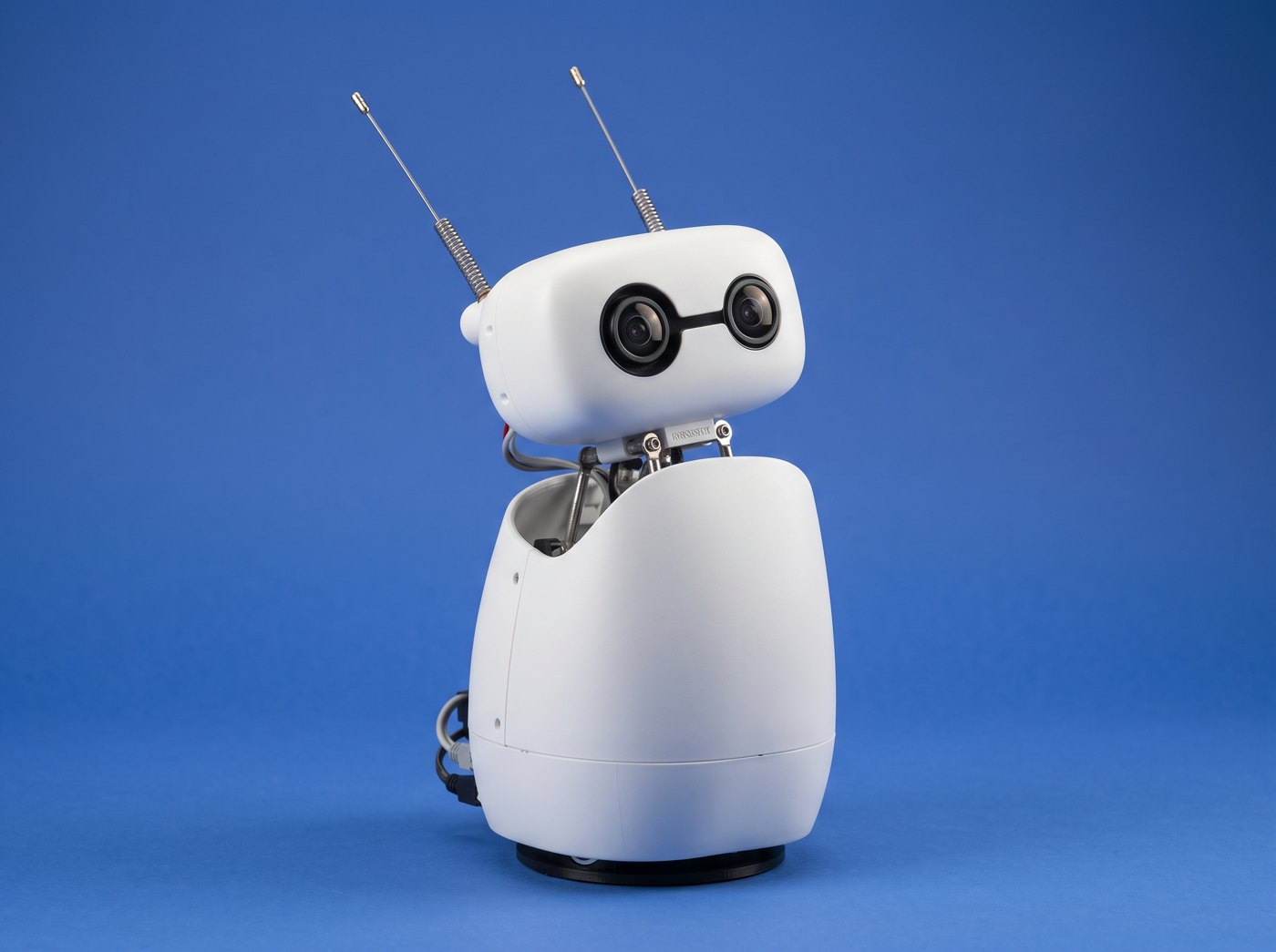
Pebble thinks with a borrowed brain.
Pebble is our penguin, a small desk robot. It turns to look at you, follows your hand and talks back, using AI that other people trained. The team puts Pebble to work, catches it when it is wrong, and decides what it must refuse.
Mission by mission: Pebble's 3 rescues
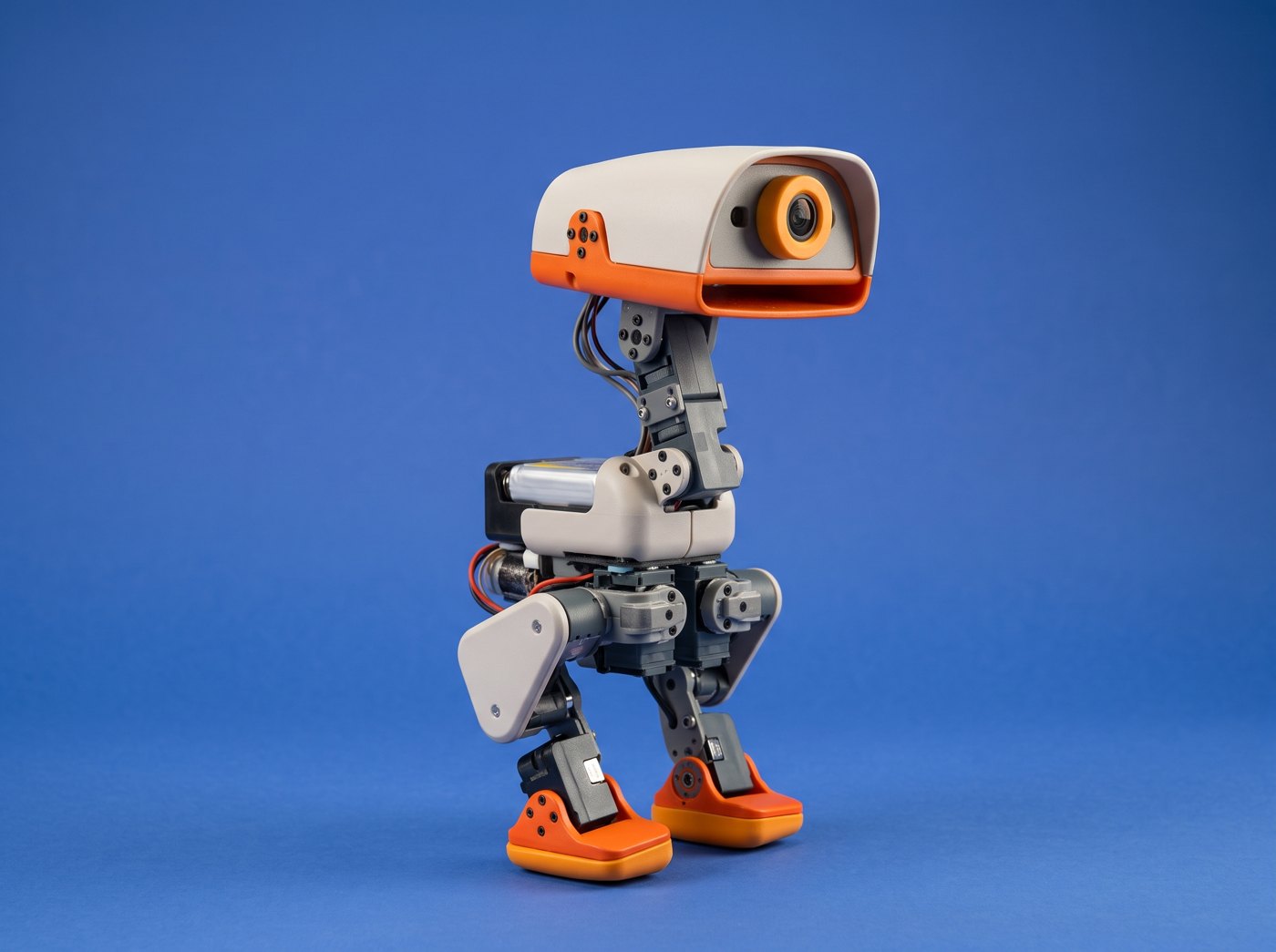
Wobble goes where wheels can't.
Wobble is a two-legged duck robot. Walking robots like it learn by trying, falling and trying again, with points for good tries. The team drives Wobble across rough ground, designs points of its own, and runs Wobble's twin on a screen.
Mission by mission: Wobble's 3 rescues

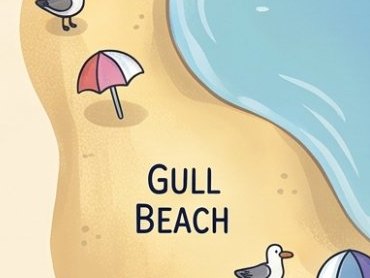
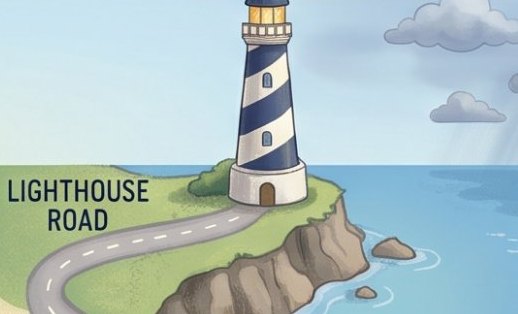
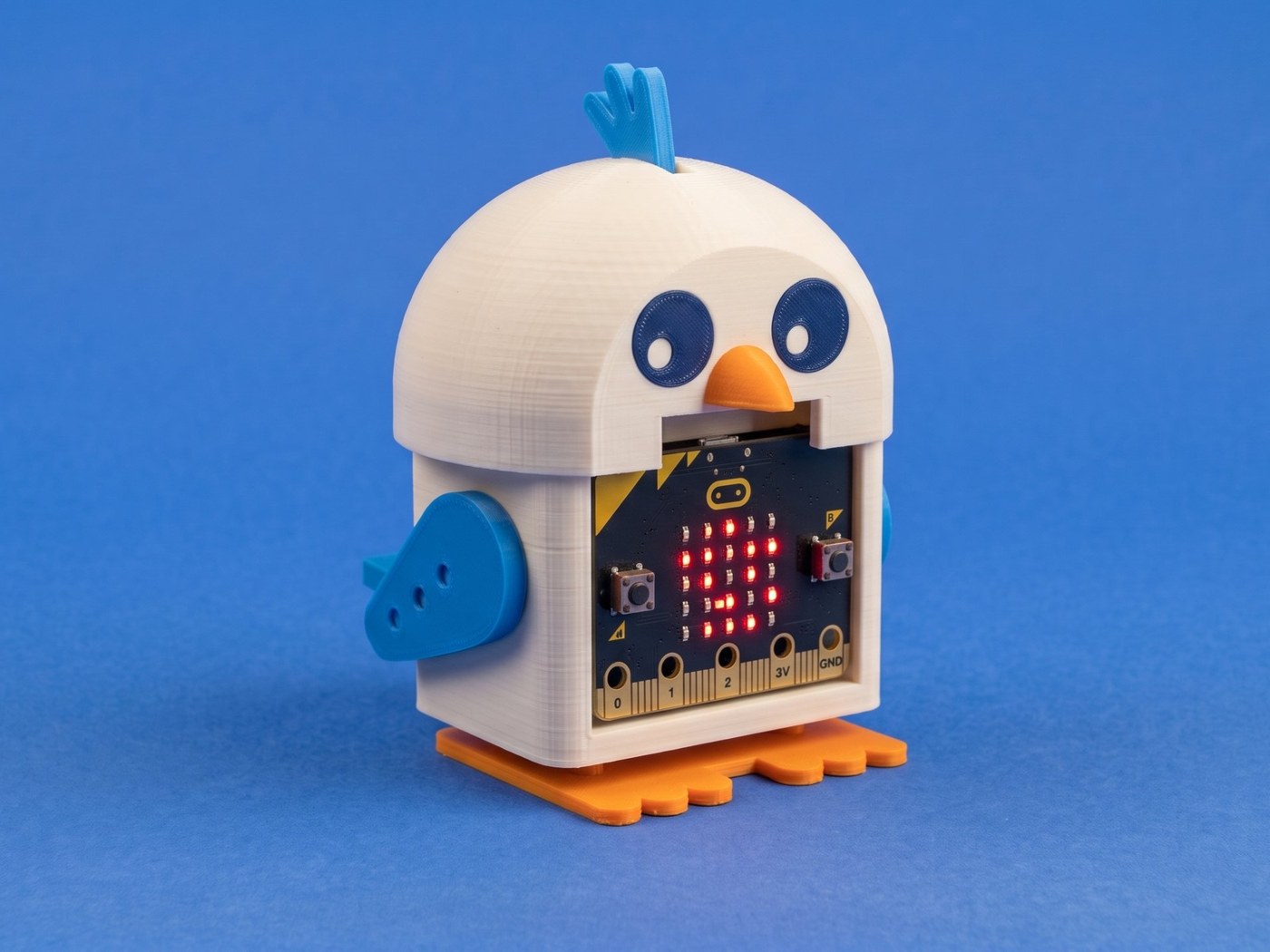
Every Flock Leader raises a rookie.
Nibble is a pet bird built on a micro:bit, a tiny computer board. It hatches in mission 2 and your child keeps it. About every two weeks a trick card teaches it something new. Each trick earns Nibble a badge, and each one copies what the team just did in class.
Trick by trick: Nibble's 7 badges
Then the Flock Leaders take charge.
First a real call from someone your child knows, and the team picks the right bird for it. Then Hero Day, when your child shows the grown-ups how every rescue was done.
Mission by mission: the final 2 rescues
90 minutes, hands busy
Whichever bird is on the mission, the session has the same four parts.
You get two missions of your own
You are the crown thieves
Your child's team built a lock that opens for a secret pose. You get three tries to get past it. Then three tries to wake your child's Nibble.
Hero Day
Each child teaches one AI skill to a grown-up. The rescue is complete when the grown-up can say it back.
A text after every mission
The week's AI idea and one question. You know what to ask at dinner.
Then the flock flies.
LEGO Education launches LEGO League in August 2027. It replaces FIRST LEGO League. Teams can move up from regional to national and international events. From the 2028–29 season, it runs on the same kit your child uses to build Brick.
LEGO League is for ages 8 to 16, in teams of 4 to 10.
The honest FAQ
What is Flock Rescue?
Is this a coding class?
Why is the pilot free?
How is this different from a school robotics club?
Is there homework?
How much of the class is on a screen?
Are Pebble and Wobble real robots?
Is my child's data safe?
What does my child keep?
Is BrickBird part of LEGO?
What does it cost?
Flock Rescue needs four Flock Leaders.
Four seats. Kids work in pairs with three class robots and take one home. Free.